2 Algorithm
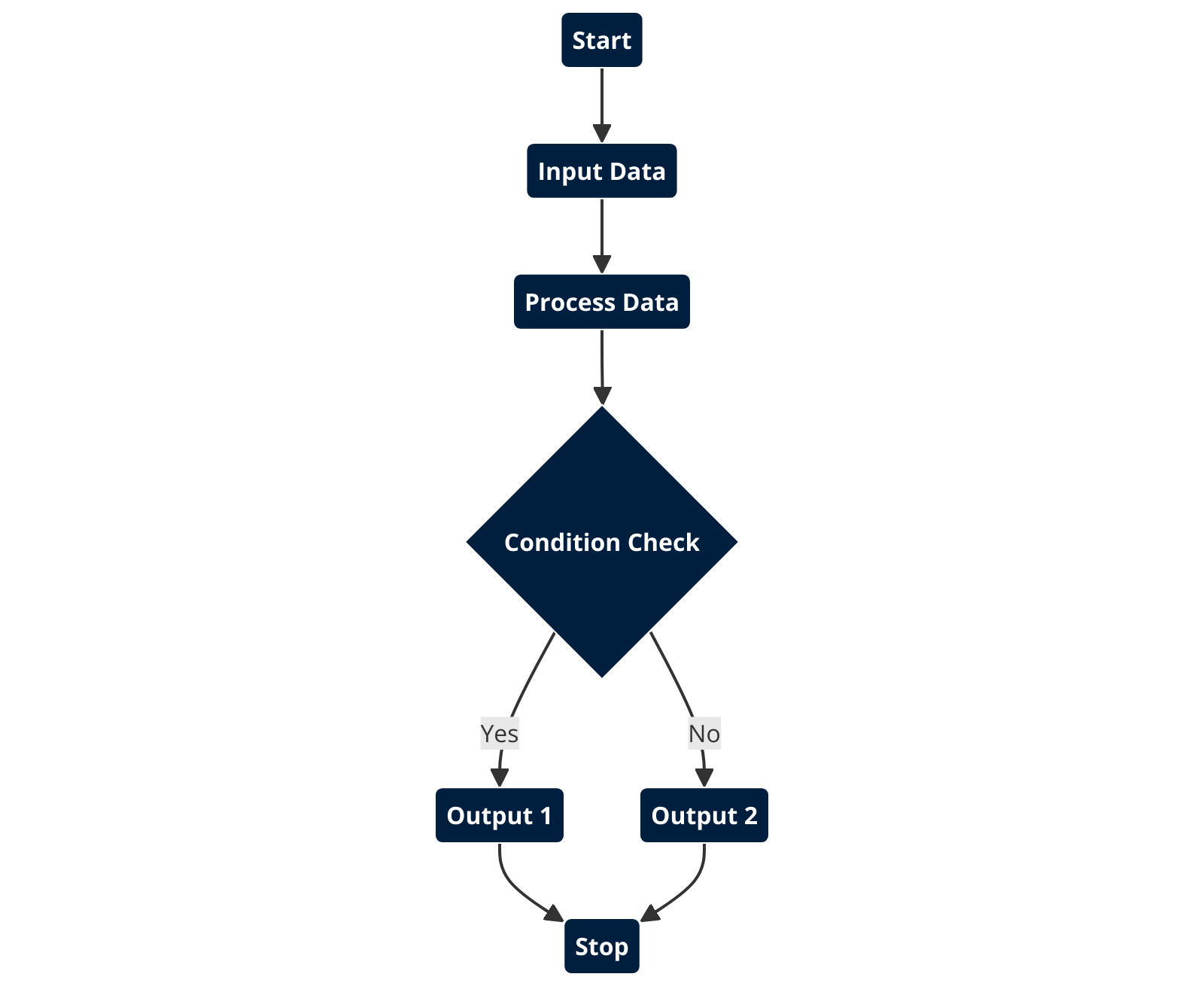
An algorithm is a set of defined instructions or rules designed to solve a specific problem or perform a computation. In the context of analytics, intelligence, and machine learning, algorithms form the backbone of data-driven processes, enabling machines to learn patterns, make decisions, and optimize outcomes (Konstantinos G. Liakos et al., 2018). Algorithms are implemented using programming languages and work on data to provide actionable insights.
2.1 Key Characteristics of an Algorithm
- Finite steps. Algorithms must have a clear beginning and end.
- Input. Takes data as input for processing.
- Output. Produces a result or solution based on the input.
- Deterministic or probabilistic. Some algorithms give the same output for the same input (deterministic), while others provide variable outputs based on probabilities.
- Efficiency. Optimized algorithms minimize computational costs in terms of time and resources.
2.2 Types of Algorithms
Not every algorithm in a data pipeline is a machine-learning algorithm. It’s worth separating general-purpose, foundational algorithms (the kind every data system relies on regardless of whether it does any learning) from the analytics and ML algorithms that actually learn patterns from data.
Foundational algorithms
- Sorting and searching. Organize and retrieve data efficiently (Quick Sort, Binary Search). Application: indexing a farm-records database so a specific field’s history can be retrieved instantly.
Analytics and machine-learning algorithms
- Regression algorithms. Identify relationships between variables and predict continuous outcomes (Linear Regression, Polynomial Regression). Application: predicting crop yield from soil quality and rainfall data.
- Classification algorithms. Categorize data into predefined labels (Logistic Regression, Support Vector Machines). Application: classifying a field’s disease risk as low, medium, or high from sensor readings.
- Clustering algorithms. Group data points into clusters based on similarity (K-Means, Hierarchical Clustering). Application: identifying regions with similar soil quality for efficient resource allocation.
- Optimization algorithms. Solve problems by maximizing or minimizing specific parameters (Gradient Descent, Genetic Algorithms). Application: optimizing fertilizer use to reduce cost and environmental impact.
- Decision-tree-based algorithms. Use tree-like structures to make decisions (Random Forest, Gradient Boosting). Application: recommending the best crop variety for a given plot based on historical outcomes.
2.3 Why Algorithms Matter in Machine Learning
- Foundation for learning models. Algorithms train machine learning models to recognize patterns and make predictions.
- Efficiency. Enable efficient data analysis, even with large datasets.
- Adaptability. Many algorithms can adapt to changing data patterns, keeping them relevant as conditions shift, such as a new growing season’s weather.
2.4 Algorithms in Practice
- Agribusiness. K-Means Clustering groups fields by soil properties for tailored crop recommendations.
- Retail, the Apriori algorithm recommends products based on purchase history.
- Healthcare. Logistic Regression estimates the likelihood of a patient developing a condition from health metrics.
2.5 Worked Example: Linear Regression
A simple, concrete illustration of how a regression algorithm works: fitting a line that minimizes the squared difference between observed and predicted values. Here it predicts crop yield from rainfall using a small synthetic field dataset.

Summary
| Concept | Description |
|---|---|
| Algorithm Fundamentals | |
| What Is an Algorithm? | A finite, defined set of instructions that turns input data into a result or decision. |
| Key Characteristics | Finite steps, defined input and output, deterministic or probabilistic behavior, and efficiency. |
| Types of Algorithms | Foundational algorithms (sorting, searching) versus analytics/ML algorithms (regression, classification, clustering, optimization, decision trees). |
| Why Algorithms Matter in ML | Algorithms are the foundation ML models train on, enabling efficient analysis and adaptability to changing data. |
| Algorithms in Practice | K-Means for soil-based field grouping, Apriori for retail recommendations, Logistic Regression for health-risk prediction. |